
Spaying & Neutering
Keeping Pets Healthy and Protected
Neutering is a surgical procedure that removes the testicles of male pets, while spaying removes the reproductive organs of female pets. These procedures prevent male pets from fathering litters and female pets from becoming pregnant.
Spaying or neutering your cat or dog can also support long-term health. These procedures may help reduce the risk of certain reproductive cancers and can influence behaviours such as roaming or aggression.
In addition to supporting your furry friend's wellbeing, spaying and neutering also help reduce the number of homeless animals in shelters across Canada.
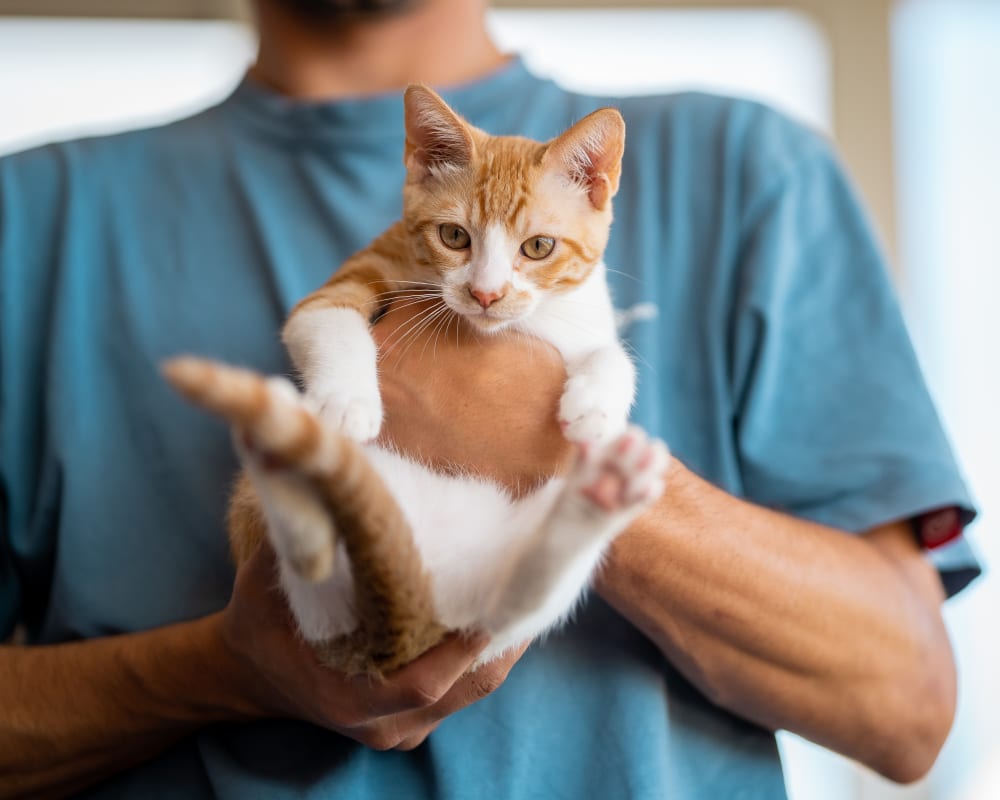
The Reality of Animal Shelters in Canada
The Canadian Humane Society and SPCA take in thousands of pets each year. This number does not include those taken in by private rescue agencies across the country.
For many people, one of the primary benefits of spaying and neutering is reducing the number of unwanted cats filling Canadian shelters.
Neutering (Males)
Neutering, also called an orchiectomy, is a surgical procedure that removes the testicles of male pets, preventing them from fathering kittens or puppies.
Cats: Neutering can help reduce behaviours such as spraying, roaming, and aggression toward other cats.
Dogs: Neutering may help decrease aggression toward other animals, mounting behaviours, and attempts to escape from your home or yard.
Spaying (Females)
Spaying, or an ovariohysterectomy, is a surgical procedure that removes a female cat or dogs reproductive organs, preventing pregnancy.
Cats: Spaying your cat may help reduce behaviours such as roaming, yowling, or inappropriate urination.
Dogs: Spaying your female dog ends her heat cycles and can help reduce the risk of pyometra (uterine infection) and mammary tumours.
Spaying & Neutering FAQs
For answers to more of your questions about spay and neuter procedures please read through the answers to these frequently asked questions from our clients.
-
When should I spay/neuter my cat?
Kittens can be spayed or neutered as young as six to eight weeks of age, however standard spay and neuter surgeries are most often performed when the kitten is between five and six months old. That said, a healthy adult cat of any age can also be spayed or neutered.
-
When should I spay/neuter my dog?
Traditionally puppies have been spayed or neutered at around 6 months old. However some vets have concluded that it is better to wait until the dog has reached sexual maturity before performing these reproductive surgeries. Speak to your veterinarian to determine the best time to have your dog spayed or neutered.
-
How long will it take for my pet to recover from surgery?
Spay and neuter procedures are typically day surgeries, allowing pets to return home in the evening following their procedure.
Your pet's activity will need to be restricted for approximately 10 days, and a protective collar may need to be worn by your pet to prevent them from licking the incision.
Your vet may also request that you bring your pet in for a follow up appointment..
-
Will my pet feel anything during the procedure?
No, your pet will be under general anesthesia, and will not feel anything during the procedure.
-
Will my pet gain weight after the procedure?
Your puppy or kitten will continue to grow to their full adult weight after the spay or neuter procedure, and this naturally includes some weight gain.
However, your pet will not gain weight as a result of being spayed or neutered.
-
How much will it cost to get my pet fixed?
The cost of your pet's spay or neuter surgery depends on a wide variety of factors including the size of your pet and overall state of health. To get an accurate estimate of the cost of your pet's reproductive surgery contact our Kamloops animal hospital today.
-
Will my pet need to stay in the hospital overnight?
While in some rare cases it may be necessary to keep a pet overnight following spay and neuter surgeries, at Tournament Valley Veterinary Hospital these procedures are typically day surgeries. This means that you will drop your pet off to us in the morning at a pre-arranged time then pick them up once our veterinarians have decided that your pet is sufficiently recovered and ready to head home.
When you come to our animal hospital to pick up your pet following surgery we will be sure to provide you with detailed instructions for at home care.
New Patients Welcome
Tournament Valley Veterinary Hospital is welcoming new patients! Our veterinarians provide medical care for cats and dogs in Kamloops. Contact us today to schedule your pet’s first appointment.